Our Services
Our Ayurvedic Treatment Center is dedicated to holistic healing through ancient wisdom and natural therapies. We offer personalized Ayurvedic treatments, herbal remedies, and wellness programs to restore balance between mind, body, and spirit. Experience the power of Ayurveda for rejuvenation, detoxification, and overall well-being in a serene and nurturing environment.
AYURVEDA THERAPIES
Our Services

Kizhi Therapy
Kizhi Therapy is a traditional Ayurvedic treatment that uses herbal leaves, powders, or other therapeutic ingredients tied into small cloth poultices. These poultices may be warmed and gently applied to selected areas of the body by a trained practitioner. In Ayurveda, Kizhi is commonly used as part of wellness routines intended to support muscle relaxation, ease feelings of stiffness, and promote physical comfort. The ingredients and application method can vary according to the type of Kizhi and individual needs. A professional consultation helps determine whether this therapy is appropriate based on your health history and treatment goals.
Udwarthanam
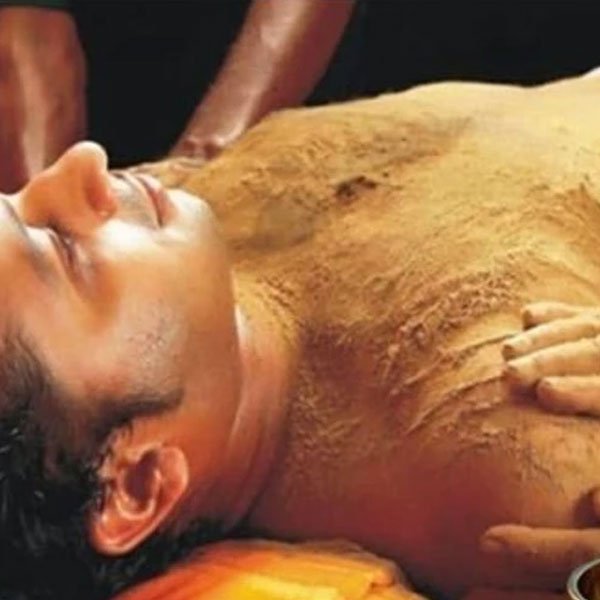
Udwarthanam is a traditional Ayurvedic therapy involving the application of herbal powders to the body using specific massage movements. The treatment is commonly associated with body care, exfoliation, and traditional Ayurvedic wellness practices. Depending on the preparation and technique, the massage may help remove surface impurities and leave the skin feeling smoother. Udwarthanam is also traditionally incorporated into body-toning routines, although results vary and should not be guaranteed. The type of herbal powder, massage technique, and duration are selected according to individual requirements. Consultation with a qualified Ayurvedic practitioner can help establish whether this treatment is suitable for you.

Kati Vasti
Kati Vasti is a traditional Ayurvedic therapy focused on the lower-back region. During the procedure, a ring made from a dough-like material is placed over the targeted area to retain comfortably warm therapeutic oil against the skin for a specified period. The treatment is traditionally used to support relaxation and comfort in the lower back and may be considered as part of an individualized Ayurvedic care plan. The oil temperature, duration, and suitability of the procedure should be assessed by a trained practitioner. People experiencing persistent or severe back pain should seek appropriate medical evaluation before choosing this or any complementary therapy.
Greeva Vasti
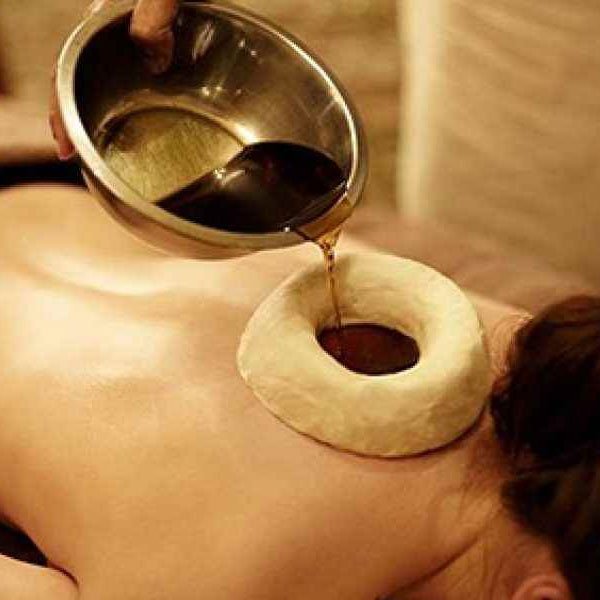
Greeva Vasti is a traditional Ayurvedic therapy focused on the neck region. During the procedure, comfortably warm therapeutic oil is retained over the targeted area using a specially formed dough ring. This localized treatment is traditionally used to support relaxation and comfort around the neck and may be incorporated into a wellness plan for people experiencing neck stiffness or muscular tension. The procedure is performed under the guidance of a trained practitioner, who determines the appropriate oil, temperature, and duration. Individual suitability should be assessed before treatment, particularly for people with persistent neck pain, injuries, numbness, or other underlying conditions.
Janu Vasti
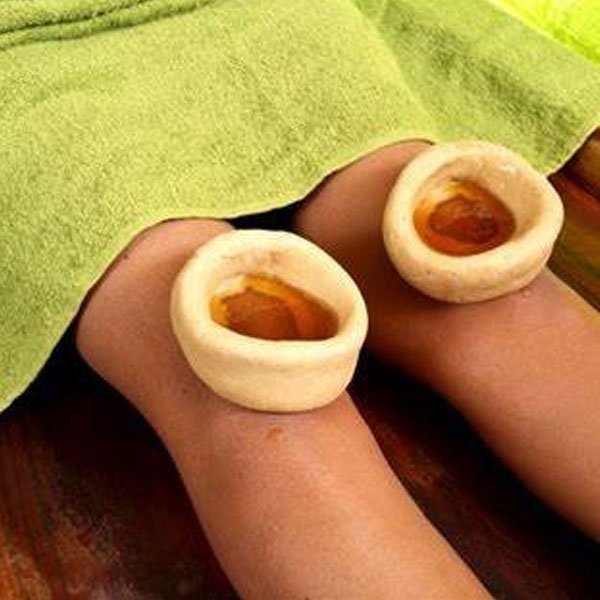
Janu Vasti is a traditional Ayurvedic treatment that focuses on the knee joint. A ring made from dough is placed around the knee, and comfortably warm therapeutic oil is retained within it for a specified period. This treatment is traditionally incorporated into Ayurvedic care routines intended to promote relaxation and comfort around the knee. The practitioner selects the oil and treatment duration according to individual needs and assessment. Janu Vasti may be considered as a complementary wellness approach for people experiencing mild knee stiffness, but it should not replace medical evaluation or prescribed treatment for joint conditions, swelling, injuries, or persistent pain.
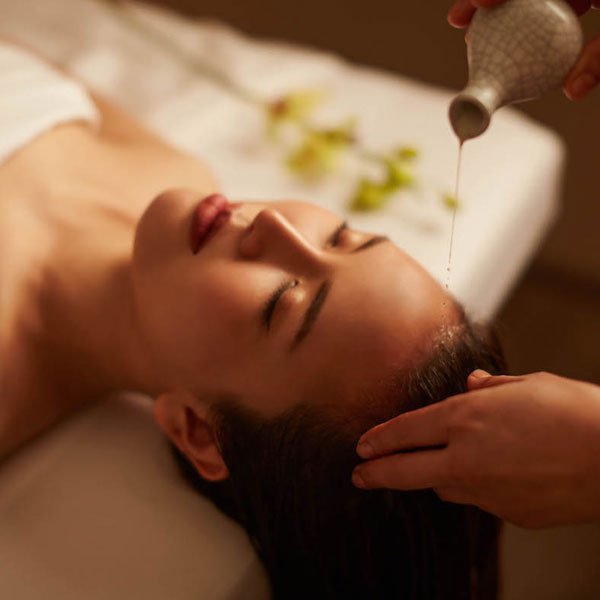
Hot Oil Head Massage
Hot Oil Head Massage is a traditional wellness treatment that involves gently massaging the scalp with comfortably warm oil. The massage uses soothing movements to help relax the scalp and may promote a sense of calm and relaxation after a busy day. Depending on the oil selected and individual preferences, the treatment can also be incorporated into a regular hair and scalp care routine. The practitioner determines the appropriate oil and technique based on individual needs. Oil temperature should always be checked carefully to prevent burns, and the treatment should be adapted for people with scalp irritation, allergies, or other relevant skin concerns.

Herbal Facial
Herbal Facial is a skincare treatment that uses selected herbal preparations to cleanse, refresh, and care for the skin. Depending on the products and technique used, the facial may include cleansing, gentle exfoliation, a herbal mask, and moisturizing. It is designed to support a refreshed appearance and leave the skin feeling soft and clean. Herbal ingredients vary, so the treatment should be selected according to individual skin type and sensitivity. A patch test may be appropriate for people with sensitive skin or known allergies. Regular skincare, sun protection, and suitable home care can complement professional facials in maintaining healthy-looking skin.

Naranga Kizhi
Naranga Kizhi is a traditional Ayurvedic therapy that uses herbal poultices prepared with ingredients that may include lime and other selected materials. The poultices are warmed appropriately and applied by a trained practitioner using specific techniques over selected areas of the body. In traditional Ayurvedic practice, this therapy is used as part of wellness routines intended to support physical comfort and relaxation. The ingredients, preparation, and application method depend on the treatment protocol and individual assessment. Because citrus ingredients and heat may irritate or damage sensitive skin, the practitioner should carefully assess suitability, skin condition, and temperature before beginning the procedure.

Shirodhara
Shirodhara is a traditional Ayurvedic therapy in which a steady, gentle stream of liquid, commonly warm herbal oil, is poured over the forehead for a set period while the person rests comfortably. The treatment is widely associated with relaxation and is often included in Ayurvedic wellness routines designed to encourage calmness and rest. The liquid used, temperature, and duration depend on the practitioner’s assessment and the treatment protocol. Shirodhara is not a substitute for medical care for sleep disorders, anxiety, or other health conditions. A qualified practitioner should assess suitability and take precautions for people with relevant scalp or skin sensitivities.
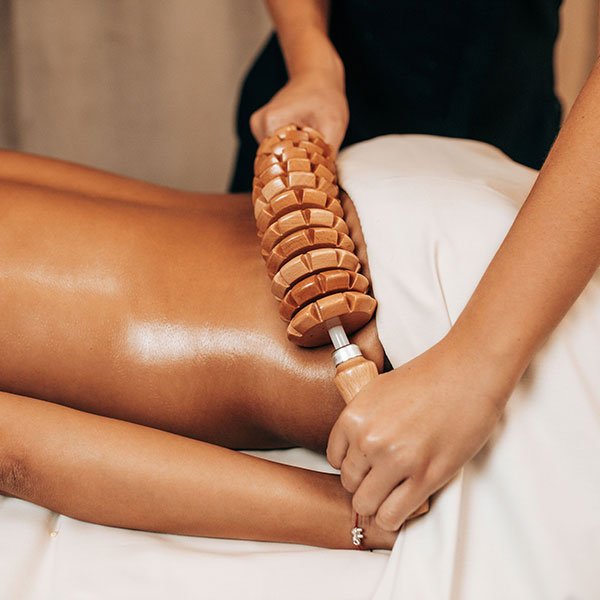
Cellulite Massage
Cellulite Massage is a body massage technique that focuses on areas where cellulite is visible, such as the thighs, hips, and buttocks. The treatment uses specific massage movements to stimulate the skin and underlying soft tissues and may temporarily improve the appearance of the skin. It is often included in body-care routines designed to promote relaxation and support a smoother-looking skin texture. Results vary depending on individual skin characteristics and the technique used. Cellulite massage is not a proven method for permanently removing cellulite or reducing body fat. A practitioner should assess skin sensitivity and suitability before treatment.
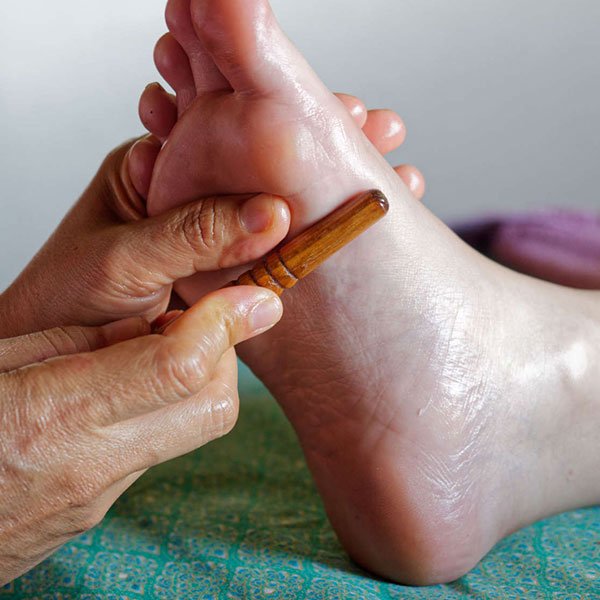
Foot Reflexology
Foot Reflexology is a complementary wellness practice that involves applying controlled pressure to specific points on the feet. It is based on the traditional concept that these points correspond to different parts of the body. Many people choose reflexology to relax, relieve feelings of tension, and enjoy a calming foot-care experience. A session typically involves pressure techniques applied using the hands and fingers while the person rests comfortably. Although some people find reflexology relaxing, scientific evidence does not establish that specific foot points can treat diseases or improve the function of corresponding organs. Pressure should be adjusted to individual comfort and health needs.
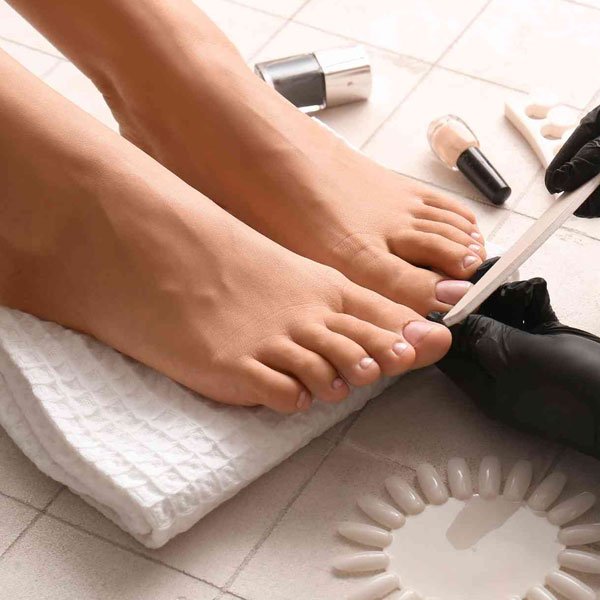
Pedicure
A Pedicure is a foot-care treatment designed to clean, refresh, and maintain the appearance of the feet and toenails. Depending on the service, it may include soaking, nail trimming and shaping, cuticle care, gentle removal of surface dead skin, exfoliation, moisturizing, and nail polishing. Regular pedicures can help maintain neat-looking nails and soft skin while providing a relaxing self-care experience. Hygiene is important throughout the procedure, including properly cleaned tools and equipment. People with diabetes, reduced foot sensation, poor circulation, or existing foot infections should consult an appropriate healthcare professional before undergoing treatments involving nail or skin trimming.
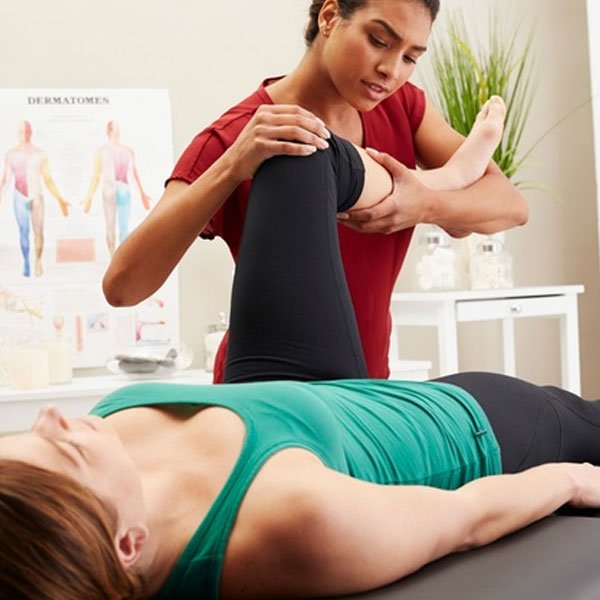
Stretching Therapy
Stretching Therapy involves guided movements and stretches intended to improve flexibility, support joint mobility, and reduce feelings of muscular tightness. Depending on the individual’s needs, a session may include gentle static stretches, assisted stretching, and controlled movements targeting areas such as the back, shoulders, hips, and legs. Stretching may be useful for people who experience stiffness after prolonged sitting or physical activity. The intensity and duration should be adapted to the person’s comfort, mobility, and physical condition. Movements should never be forced or cause sharp pain. People recovering from injuries or experiencing persistent pain should seek professional assessment before starting a stretching programme.
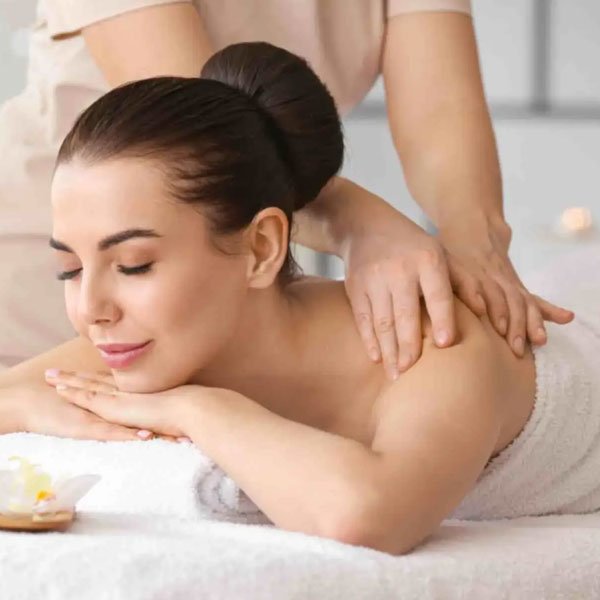
Abhyangam
Abhyangam is a traditional Ayurvedic full-body massage that typically uses warm herbal or therapeutic oils applied with rhythmic massage movements. It is commonly included in Ayurvedic wellness routines to encourage relaxation, nourish the skin, and ease feelings of everyday muscular tension. The oils and massage techniques may vary according to the practitioner’s assessment and the individual’s preferences. A session generally takes place in a calm setting, allowing the person to rest while the treatment is performed. Abhyangam is intended as a complementary wellness practice rather than a replacement for medical care. People with allergies, skin conditions, or certain medical concerns should discuss suitability with the practitioner beforehand.
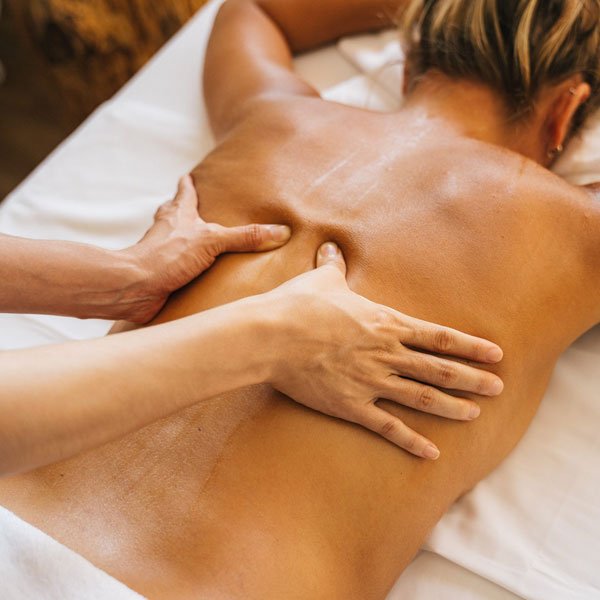
Deep Tissue Massage
Deep Tissue Massage is a massage technique that uses slower strokes and sustained, firmer pressure to target deeper layers of muscle and connective tissue. It is often chosen by people seeking relief from muscular tension and tightness associated with physical activity, repetitive movements, or prolonged periods of sitting. The therapist adjusts pressure and technique according to the person’s comfort, treatment goals, and physical condition. Some temporary soreness may occur after a session, particularly when firmer pressure is used. Deep tissue massage is not suitable for every condition, and people with recent injuries, bleeding disorders, or other relevant medical concerns should seek professional advice before treatment.
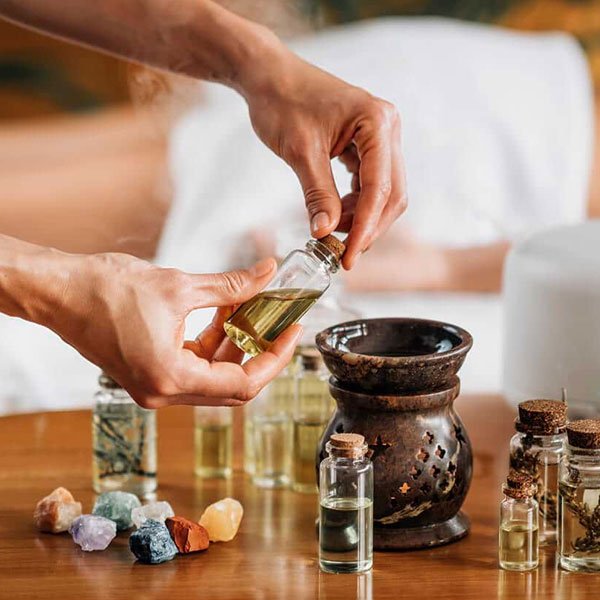
Aroma Therapy
Aroma Therapy is a wellness practice that uses aromatic essential oils to create a calming and relaxing experience. The oils may be inhaled through suitable diffusion methods or used in massage after appropriate dilution. Different aromas are commonly selected to support relaxation, create a soothing atmosphere, and enhance self-care routines. Depending on the treatment, aromatherapy may be combined with gentle massage to help ease feelings of everyday stress and tension. Essential oils should be selected carefully because some may cause skin irritation or allergic reactions. A qualified practitioner can help determine suitable oils and application methods according to individual preferences and sensitivities.

Netra Tharpanam
Netra Tharpanam is a traditional Ayurvedic eye-care procedure in which a specially prepared enclosure is formed around the eyes and filled with a prescribed liquid, according to the practitioner’s treatment protocol. It is traditionally included in Ayurvedic practices intended to care for the eye area. The procedure requires careful preparation, appropriate hygiene, and professional supervision because the eyes are delicate and sensitive. It should not be considered a proven treatment for vision problems, eye infections, or other eye diseases. Anyone experiencing eye pain, redness, discharge, blurred vision, or irritation should seek advice from a qualified eye-care professional before considering any complementary eye treatment.

Nasyam
Nasyam, also known as Nasya, is a traditional Ayurvedic procedure involving the administration of a prescribed preparation through the nasal passages under the guidance of a qualified practitioner. Depending on the Ayurvedic approach, the preparation may contain an appropriate oil or other formulation selected following an individual assessment. Nasyam is traditionally associated with Ayurvedic care practices involving the head and nasal region. The preparation, quantity, and technique require professional consideration, as unsuitable substances or incorrect administration may cause irritation or other complications. People with nasal infections, breathing difficulties, allergies, or other medical concerns should seek professional advice before considering this procedure.