


Modern lifestyles often involve long working hours, prolonged sitting, physical activities and daily responsibilities that can leave the body feeling tired and uncomfortable. Many people are exploring traditional wellness practices to support relaxation, physical comfort and overall well-being.
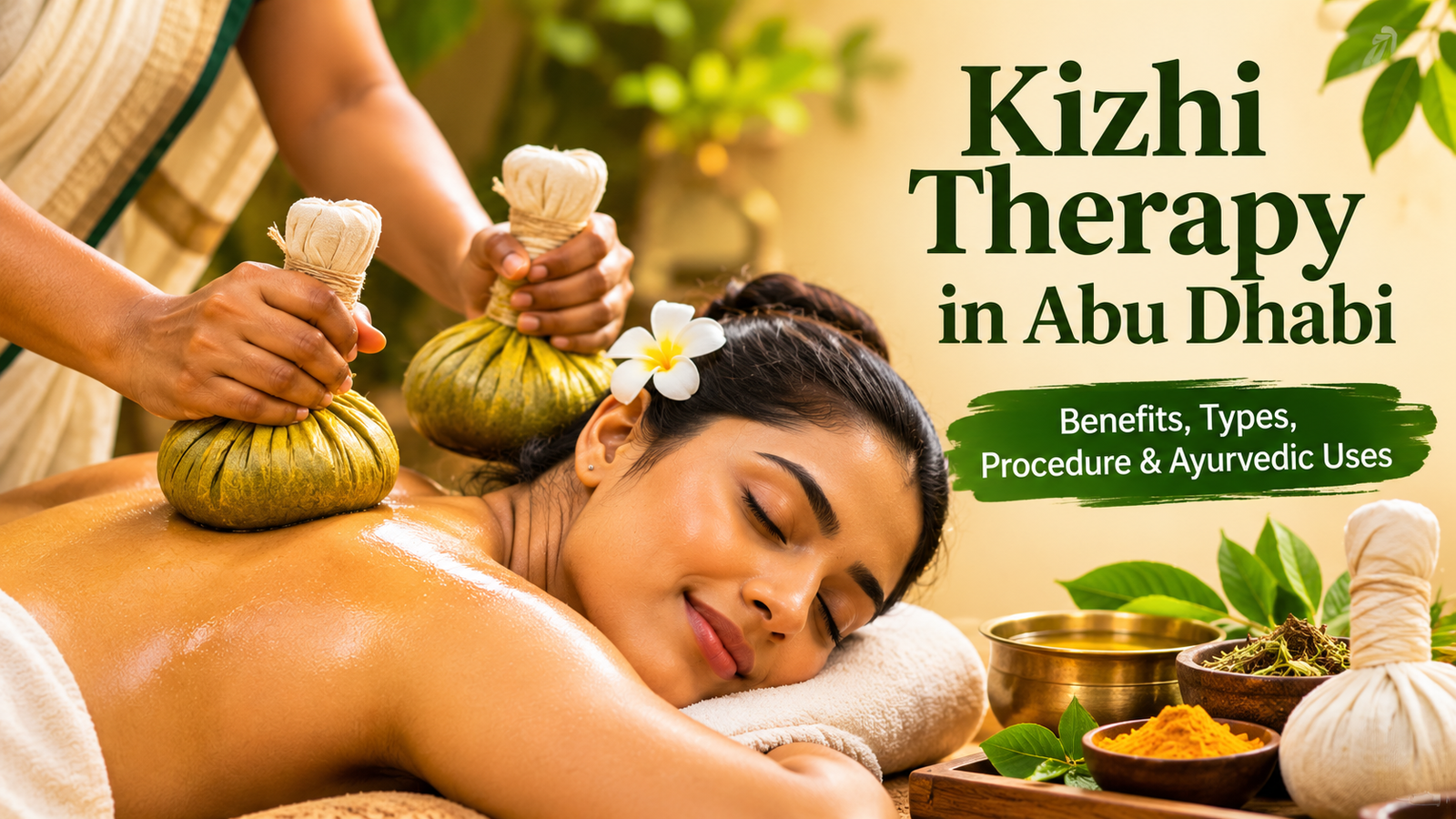
Kizhi Therapy in Abu Dhabi is a traditional Ayurvedic treatment that involves applying warm herbal poultices to selected areas of the body using specific massage techniques. This therapy is inspired by Kerala Ayurveda and uses natural ingredients such as medicinal leaves, herbal powders, rice and other traditional preparations.
Kizhi is traditionally included in Ayurvedic treatment programmes for people experiencing muscle stiffness, physical discomfort and general body fatigue. The type of poultice and treatment technique are selected according to individual requirements and the practitioner’s assessment.
At AyurCare UAE, individuals can explore traditional Ayurvedic therapies and receive personalized guidance based on their wellness needs.
In this article, we will discuss the meaning of Kizhi therapy, its different types, traditional benefits, treatment procedure and important considerations before starting a session.
What Is Kizhi Therapy in Ayurveda?
Kizhi is a traditional Ayurvedic therapy that involves preparing small cloth bundles filled with selected medicinal ingredients. These bundles are commonly called herbal poultices.
Depending on the type of treatment, the poultices may contain medicinal leaves, herbal powders, rice, lemon or other traditional ingredients.
The prepared bundles are heated appropriately and applied to selected body areas using specific movements and techniques.
The warmth of the poultices, combined with the application technique, creates a traditional therapeutic experience.
Kizhi therapy is commonly incorporated into Ayurvedic wellness programmes under the guidance of qualified practitioners.
Different forms of Kizhi are available, and each uses a specific combination of ingredients and preparation methods.
The treatment is selected based on individual requirements, health history and professional assessment.
7 Potential Benefits of Kizhi Therapy
Kizhi has traditionally been used in Ayurveda as part of various therapeutic and wellness practices.
Its potential benefits are commonly associated with warmth, massage techniques and the selected herbal ingredients.
1. Promotes Muscle Relaxation
Muscle tightness can develop due to prolonged sitting, repetitive movements, physical activities and everyday lifestyle habits.
Kizhi involves the application of warm herbal poultices over selected areas of the body.
The gentle warmth and massage movements may provide a relaxing experience and temporary comfort for individuals experiencing muscle tension.
2. Supports Physical Relaxation
A busy lifestyle can leave the body feeling tired and physically stressed.
Kizhi provides a traditional treatment experience involving warm herbal bundles and controlled massage movements.
Many individuals explore this therapy as part of their relaxation and self-care routine.
3. Provides a Traditional Herbal Treatment Experience
One of the distinguishing features of Kizhi is the use of traditional herbal ingredients.
Depending on the preparation, different medicinal leaves, herbal powders and other natural materials may be included in the poultices.
The ingredients are selected according to the treatment method and practitioner’s recommendation.
4. Supports Joint and Muscle Comfort
People experiencing everyday joint stiffness and muscular discomfort may enquire about Kizhi as a complementary traditional wellness therapy.
Different types of Kizhi are used in Ayurveda according to individual requirements.
However, persistent joint pain, swelling or restricted movement requires proper medical evaluation. Kizhi should not be considered a proven cure for joint disorders.
5. Encourages a Relaxing Wellness Routine
Kizhi can be incorporated into a personalized wellness programme that includes appropriate rest, physical activity and lifestyle guidance.
The treatment provides an opportunity to take time away from everyday responsibilities and focus on personal well-being.
6. Combines Warmth and Traditional Massage Techniques
The application of warm herbal poultices is a key feature of Kizhi.
The therapist uses specific movements according to the selected treatment method.
The combination of warmth and massage techniques creates a distinctive Ayurvedic treatment experience.
7. Supports an Individualized Ayurvedic Approach
Ayurveda emphasizes understanding individual requirements before recommending traditional therapies.
Kizhi treatments may differ according to the ingredients used, application techniques and areas being treated.
A qualified Ayurvedic practitioner can help determine whether a particular form of Kizhi is appropriate.
Note: These are traditional wellness uses, not guarantees of medical outcomes. Scientific evidence for specific therapeutic benefits of Kizhi remains limited.
Different Types of Kizhi Therapy in Ayurveda
Kizhi includes several traditional treatment methods. Each type uses different ingredients and preparation techniques.
Here are some commonly known varieties.
1. Ela Kizhi (Patra Pinda Sweda)
Ela Kizhi is a traditional Ayurvedic therapy that uses medicinal leaves.
Selected herbal leaves are chopped and combined with other prescribed ingredients. The mixture is prepared in cloth bundles and heated appropriately.
The warm bundles are gently applied to selected body areas using specific massage techniques.
Ela Kizhi is traditionally used in Ayurvedic programmes involving muscle and joint discomfort.
2. Podikizhi (Churna Pinda Sweda)
Podikizhi involves the use of herbal powders packed into small cloth bundles.
The selected herbal powders are prepared according to the traditional procedure and heated before application.
The therapist uses specific movements to apply the warm bundles to selected areas.
Podikizhi is traditionally included in Ayurvedic treatment programmes involving physical stiffness and wellness management.
3. Naranga Kizhi (Jambira Pinda Sweda)
Naranga Kizhi is a traditional Ayurvedic treatment that uses lemon or citrus-based herbal poultices.
The lemons are cut and combined with selected herbs and other ingredients before being prepared in cloth bundles.
These bundles are warmed and applied to the body using traditional techniques.
Naranga Kizhi is known for its distinctive citrus-based preparation and is available as one of the traditional therapy options at AyurCare.
4. Shashtika Shali Pinda Sweda (Njavara Kizhi)
Njavara Kizhi is a traditional Ayurvedic therapy that uses specially prepared Njavara rice.
The rice is cooked using prescribed liquids and packed into cloth bundles.
These bundles are warmed and applied to selected body areas through traditional massage techniques.
This therapy is commonly included in specialized Ayurvedic treatment programmes following practitioner assessment.
Which Type of Kizhi Is Suitable for You?
The appropriate type of Kizhi depends on individual health requirements, treatment goals and the practitioner’s assessment.
Different preparations may not be suitable for everyone.
A consultation is important before selecting a particular treatment, especially for individuals with skin sensitivity, circulation problems, medical conditions or acute injuries.
How Is Kizhi Therapy Performed?
Understanding the treatment procedure can help individuals feel more comfortable before their first appointment.
Although the exact process varies according to the type of Kizhi, a general session may involve the following stages.
Step 1: Initial Consultation
The process begins with an Ayurvedic consultation.
The practitioner may review your health history, current concerns, lifestyle and treatment expectations.
This helps determine whether Kizhi is appropriate and which traditional preparation may be considered.
Step 2: Preparation of Herbal Ingredients
The therapist prepares the required ingredients according to the selected Kizhi method.
These may include medicinal leaves, herbal powders, lemon, rice or other traditional materials.
The ingredients are packed into small cloth bundles to create the poultices.
Step 3: Heating the Poultices
The prepared bundles are heated using the appropriate traditional method.
The therapist checks the temperature carefully before applying them to the body.
Proper temperature control is essential to minimize the risk of skin irritation or burns.
Step 4: Application of Herbal Poultices
The warm poultices are gently applied to selected body areas using specific movements.
The application technique depends on the treatment type and individual requirements.
The therapist monitors the process to maintain comfort throughout the session.
Step 5: Post-Treatment Care
After the procedure, the therapist provides appropriate post-treatment instructions.
These may include recommendations regarding rest, bathing and other aftercare practices.
Following professional guidance helps ensure a comfortable treatment experience.
Who May Consider Kizhi Therapy?
Kizhi may be considered by adults interested in traditional Ayurvedic therapies and relaxation practices.
It may be of interest to individuals who:
- Experience everyday muscle tightness.
- Want to explore traditional herbal poultice treatments.
- Have physically demanding work routines.
- Spend long hours sitting at a desk.
- Are interested in traditional Ayurvedic wellness programmes.
- Want to learn about Kerala Ayurvedic treatment methods.
However, Kizhi is not appropriate for every individual.
People with open wounds, skin infections, reduced heat sensation, acute inflammation, certain circulation problems or other significant medical conditions should seek professional advice before treatment.
Individuals with diabetes or other conditions affecting skin sensation should discuss the risks with their healthcare provider.
Pregnant individuals should also obtain appropriate professional guidance before undergoing any thermal therapy.
Kizhi Therapy vs Abhyangam Massage: What Is the Difference?
Kizhi and Abhyangam are two traditional Ayurvedic therapies, but they involve different treatment techniques.
Kizhi Therapy
Kizhi uses warm herbal poultices containing selected medicinal ingredients.
The therapist applies the bundles to selected body areas using specific massage movements.
The ingredients and application methods vary according to the type of Kizhi.
Abhyangam Massage
Abhyangam is a traditional Ayurvedic oil massage that involves applying selected herbal oils using specific massage techniques.
It is commonly included in traditional Ayurvedic wellness and relaxation programmes.
Which Treatment Should You Choose?
Both treatments have different traditional applications.
Kizhi involves herbal poultices, while Abhyangam primarily uses medicated oils.
The appropriate treatment depends on individual needs, health history and practitioner recommendations.
An Ayurvedic consultation can help you understand which option may be suitable.
Why Choose AyurCare UAE for Kizhi Therapy in Abu Dhabi?
Finding a suitable Ayurvedic centre is important when exploring traditional treatments.
AyurCare Ayurvedic Health Centre provides access to different traditional Ayurvedic therapies and personalized consultation services in Abu Dhabi.
The centre offers a range of treatments, including Kizhi Therapy, Naranga Kizhi, Abhyangam, Shirodhara, Udwarthanam and other traditional wellness services.
Reasons to consider AyurCare include:
Traditional Ayurvedic Therapies
Explore different treatment methods inspired by traditional Ayurvedic practices.
Personalized Consultation
Discuss your health history, lifestyle and wellness requirements before selecting a treatment.
Range of Treatment Options
Access different traditional therapies, including herbal poultice treatments and Ayurvedic oil massages.
Professional Guidance
Receive guidance from the Ayurvedic practitioner regarding suitable treatment options.
Convenient Abu Dhabi Location
AyurCare is located in Mohamed Bin Zayed City, ME9, Abu Dhabi, near Millennium Hospital and LLH Hospital.
Whether you are exploring traditional herbal therapies or seeking information about Ayurvedic wellness, a professional consultation can help you make informed decisions.
Frequently Asked Questions About Kizhi Therapy in Abu Dhabi
1. What is Kizhi therapy used for?
Kizhi is a traditional Ayurvedic therapy involving warm herbal poultices. It is traditionally used in wellness programmes involving muscle relaxation and physical comfort.
2. What ingredients are used in Kizhi?
Depending on the treatment type, Kizhi may include medicinal leaves, herbal powders, lemon, rice and other traditional ingredients.
3. What is the difference between Ela Kizhi and Podikizhi?
Ela Kizhi primarily uses medicinal leaves, while Podikizhi uses herbal powders. Both involve warm herbal bundles applied using traditional techniques.
4. Is Naranga Kizhi available in Abu Dhabi?
Naranga Kizhi is listed among the Ayurvedic therapies offered by AyurCare UAE. Contact the centre to confirm current availability and appointment details.
5. Is Kizhi therapy painful?
Kizhi is generally performed using controlled massage movements and warm poultices. Individual experiences may vary. Inform the therapist immediately if you experience excessive heat, irritation or discomfort.
6. How long does a Kizhi therapy session take?
The duration depends on the treatment type, individual requirements and practitioner’s recommendations. Contact the centre for current session details.
7. Can Kizhi help with muscle stiffness?
Kizhi is traditionally used in Ayurvedic wellness programmes involving muscle stiffness. However, its effectiveness for specific medical conditions is not established, and persistent symptoms require medical evaluation.
8. Is Kizhi suitable for everyone?
No. Individuals with certain skin, circulation, nerve-related or medical conditions may need additional assessment before undergoing treatment.
9. How often should I undergo Kizhi therapy?
The recommended frequency depends on the individual’s condition and treatment plan. A qualified practitioner can provide appropriate guidance.
10. Where can I get Kizhi Therapy in Abu Dhabi?
You can enquire about Kizhi Therapy at AyurCare Ayurvedic Health Centre in Mohamed Bin Zayed City, ME9, Abu Dhabi, UAE.
Explore Traditional Kizhi Therapy at AyurCare UAE
Ayurveda offers different traditional therapies that focus on individual wellness requirements, lifestyle practices and personalized treatment approaches.
Kizhi is one such therapy that combines selected herbal ingredients, warm poultices and traditional massage techniques.
If you are interested in exploring Kizhi Therapy in Abu Dhabi, AyurCare UAE provides an opportunity to learn more about traditional Kizhi treatments and other Ayurvedic wellness services.
Consult an Ayurvedic practitioner to understand the available treatment options and determine their suitability for your needs.
Visit AyurCare Ayurvedic Health Centre
Location: M01, Mohamed Bin Zayed City, ME9, Abu Dhabi, UAE.
Phone: +971 2 626 6169
Mobile: +971 50 593 3402
Email: info@ayurcareuae.com
Website: https://ayurcareuae.com/
Discover Traditional Ayurveda. Explore Personalized Wellness.