AyurCare UAE provides information and consultation regarding cupping therapy, a traditional practice used by some people as a complementary approach to wellness. Also known as Hijama in certain traditional practices, cupping involves placing specially designed cups on the skin to create suction.
Cupping methods, treatment procedures, and precautions vary. A professional assessment is important to understand whether this therapy may be suitable for your individual needs. Our team can explain the available service, the procedure involved, and relevant safety considerations before you make an appointment.
Understanding Cupping Therapy
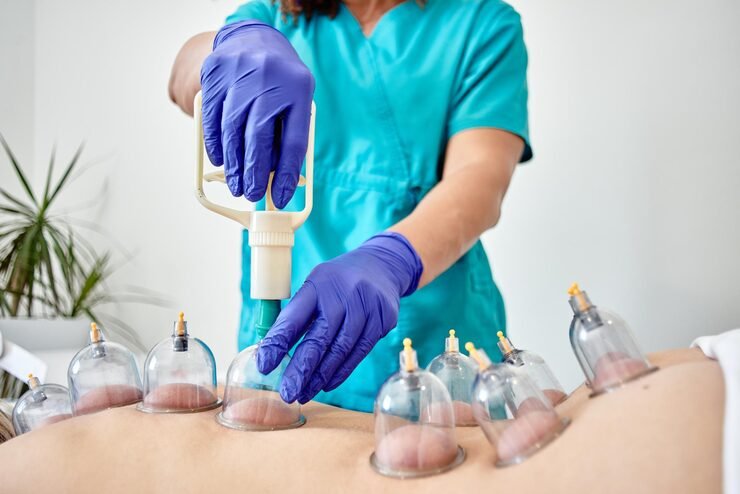
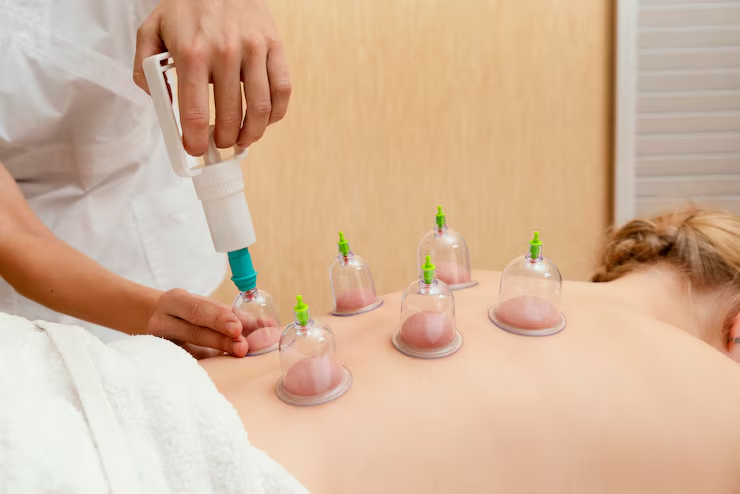
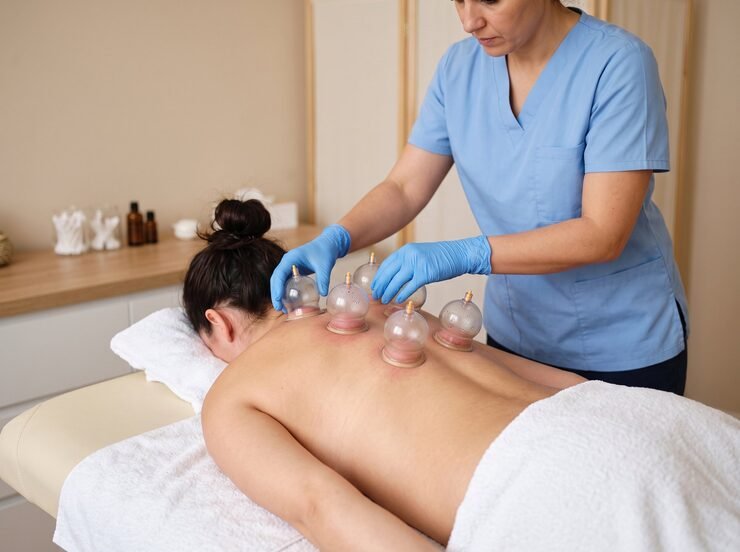
Cupping therapy uses suction created by cups placed on selected areas of the skin. Depending on the method offered, it may be performed as dry cupping or wet cupping. These procedures have different requirements and safety considerations.
Some people seek cupping as a complementary wellness practice for muscular tension and discomfort. However, evidence supporting its effectiveness varies, and it should not be considered a cure for medical conditions or a method for detoxifying the body.
Types of Cupping Therapy
Dry Cupping
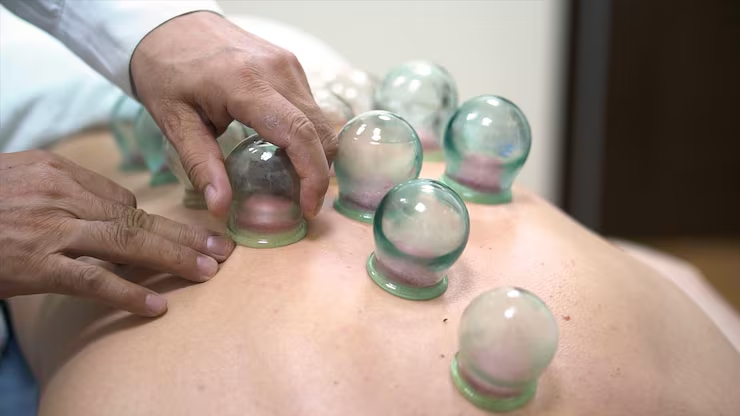
Dry cupping uses suction without cutting or piercing the skin. Cups are placed on selected areas to create a vacuum effect. The procedure may leave temporary circular marks, redness, or bruising.
Suitability depends on individual health circumstances, skin condition, and the practitioner’s assessment. Your practitioner should explain the procedure, expected skin reactions, and aftercare before treatment.
Wet Cupping (Hijama)
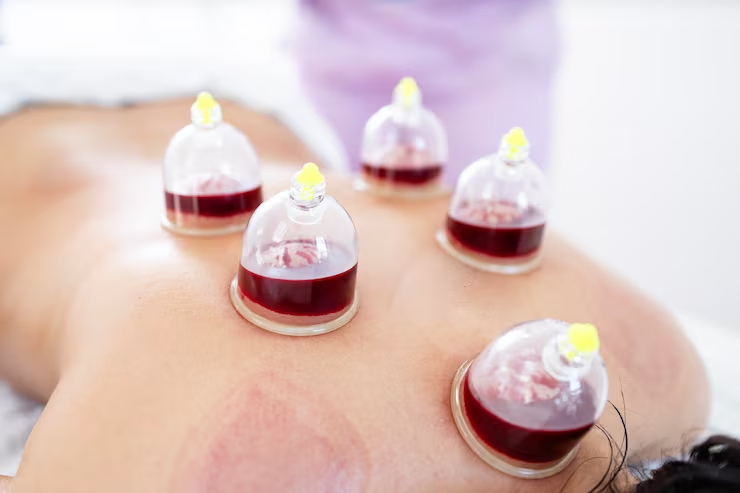
Wet cupping involves creating suction and making controlled superficial skin incisions to allow a small amount of blood to be drawn. Because the procedure breaks the skin, it carries additional risks, including infection, bleeding, and scarring.
Wet cupping should only be performed by appropriately trained and authorized practitioners where legally permitted, using sterile, single-use equipment and suitable infection-control procedures. A careful assessment is essential before considering this method.
Low Back Pain
Neck Pain and Stiffness
Disc Prolapse
Joint Pain and Aches
Frozen Shoulder
Knee Pain and Leg Pain
Skin and Hair Concerns
Hair Fall and Dandruff
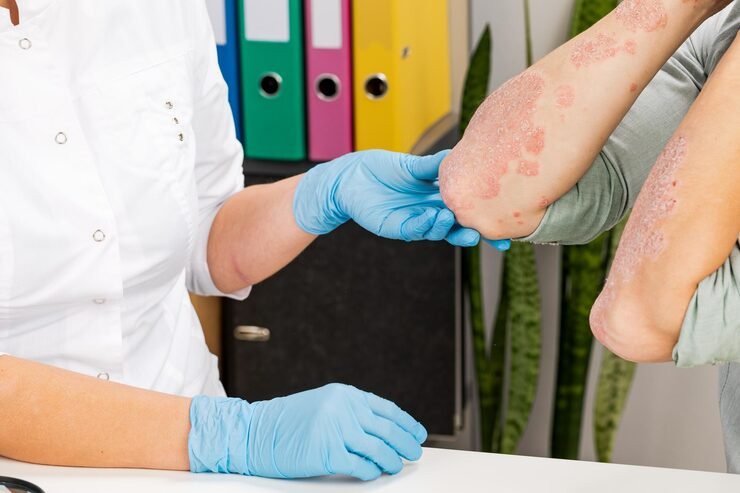
Psoriasis and Eczema
Potential Uses and Considerations
Cupping is sometimes sought as a complementary approach for muscular tension and discomfort. However, the evidence for its benefits remains limited or variable for many conditions, and results differ between individuals.
Before considering cupping therapy, it is important to:
Discuss your health history and current symptoms.
Inform the practitioner about medications, especially blood thinners.
Disclose bleeding disorders, skin conditions, pregnancy, or other relevant health concerns.
Understand possible side effects, including soreness, bruising, skin irritation, infection, and scarring.
Seek appropriate medical advice for persistent or unexplained symptoms.
Cupping should not replace medical diagnosis, prescribed medication, or recommended treatment.
Your Cupping Therapy Consultation
A consultation helps establish whether cupping may be appropriate for your individual circumstances. Before proceeding, the practitioner should explain the method, the areas to be treated, possible side effects, hygiene procedures, and aftercare requirements.
Treatment may not be suitable for everyone, particularly people with certain bleeding disorders, active skin infections, fragile skin, or other conditions that increase the risk of complications. The decision should be based on an appropriate assessment.
Book a Cupping Therapy Consultation in Abu Dhabi
Interested in learning more about cupping therapy or Hijama in Abu Dhabi? Contact AyurCare UAE to enquire about service availability, practitioner qualifications, the procedure, and the precautions involved.